Doctrine of Constitutional Silence
Dr. Tanmoy Mukherji
Advocate
Doctrine of Constitutional Silence –
Tanmoy Mukherji
Advocate
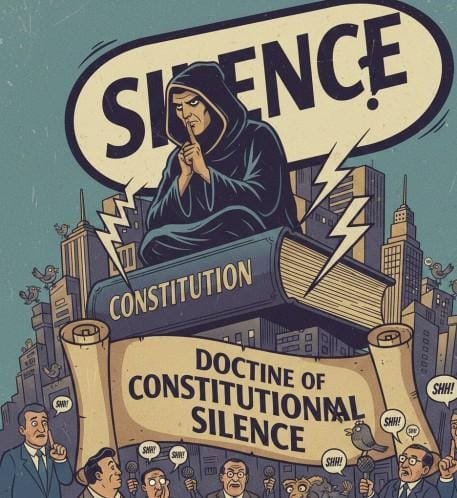
The Doctrine of Constitutional Silence operates where the Constitution does not expressly provide for a situation, and the Court must determine whether:
→The silence permits action,
→The silence restricts action, or
→The silence allows judicial innovation to fill a constitutional gap.
→It reflects the idea that the Constitution is a living document, not a rigid code.
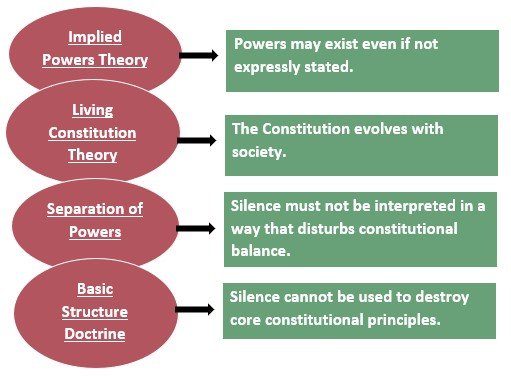
Theoretical Basis-
The doctrine is based on:
Categories of Constitutional Silence-
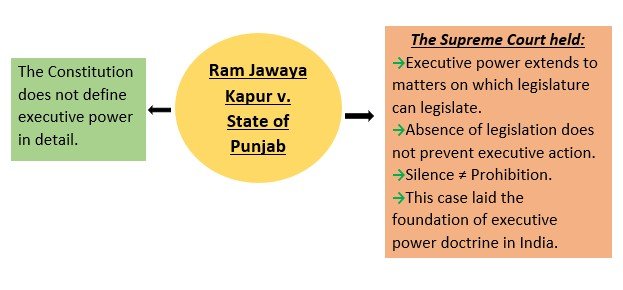
Permissive Silence-
Where the Constitution does not prohibit something, the Legislature or Executive may act.
Reference Case-
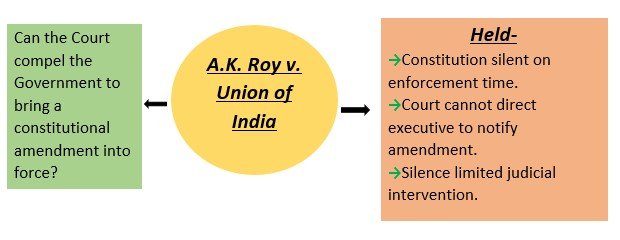
Restrictive Silence-
Where silence implies limitation, and powers cannot be assumed.
Reference Case-
Creative / Constructive Silence (Judicial Innovation)-
Courts fill constitutional gaps using interpretation.
Reference Case-
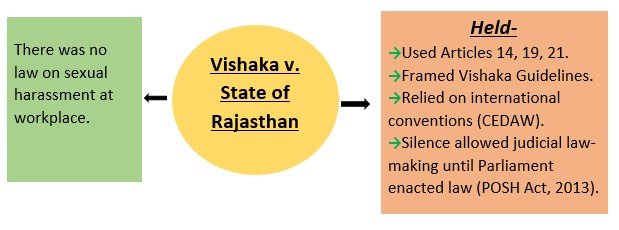
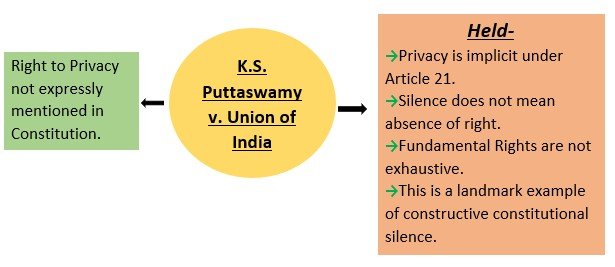
Constitutional Silence & Appointment of Judges-
Supreme Court Advocates-on-Record Association v. Union of India (Second Judges Case)-
The Constitution used the word “consultation” (Article 124).
It did not clarify:
→Whether consultation means concurrence.
→Who has primacy.
→Court interpreted silence to evolve the Collegium System, giving primacy to judiciary.
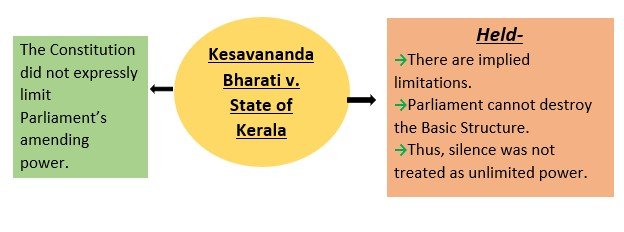
Silence & Implied Limitations
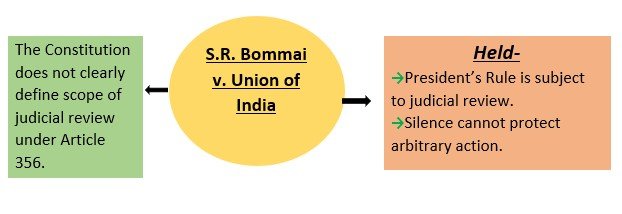
Silence & Federal Structure-
Limits of Doctrine
Courts cannot:
→Rewrite Constitution.
→Assume unlimited legislative power.
→Override separation of powers.
→Create new constitutional offices.
Silence must be interpreted:
→Harmoniously
→Consistently with Basic Structure
→In light of constitutional morality
Criticism-
→Leads to judicial activism.
→Courts may enter legislative domain.
→Creates uncertainty.
→Risk of subjective interpretation.
Importance in Modern Constitutional Law-
The doctrine has enabled:
→Expansion of Fundamental Rights
→Recognition of Privacy
→Gender justice jurisprudence
→Strengthening judicial review
→Development of collegium system
→It shows that the Constitution is dynamic and adaptable.
The Doctrine of Constitutional Silence plays a crucial role in Indian constitutional interpretation. Where the Constitution is silent, courts:
→May permit legislative/executive action,
→May restrict assumption of power,
→Or may creatively fill gaps consistent with constitutional values.
However, such interpretation must respect:
→Basic Structure,
→Separation of Powers,
→Constitutional Morality.
It ensures that constitutional governance continues even in areas where the text is silent, while preventing misuse of unexpressed powers.

we believe in a holistic approach to legal education building not just lawyers, but socially conscious leaders of tomorrow.
