The position of Right to Elementary Education with Constitutional provisions in India
Dr. Tanmoy Mukherji
Advocate
The position of Right to Elementary Education with Constitutional provisions in India-
Tanmoy Mukherji
Advocate
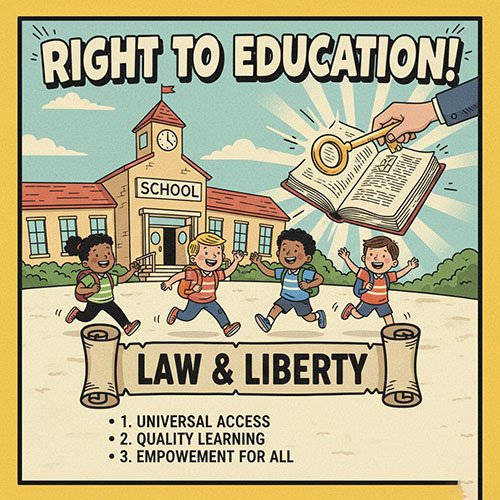
Elementary Education in India refers to free & compulsory education for children aged 6-14 years.

It aims at -
→Universal access.
→Universal retention
→Minimum learning standards.
→Social Inclusion & Equality.
HISTORICAL EVOLUTION OF THE RIGHT TO EDUCATION-
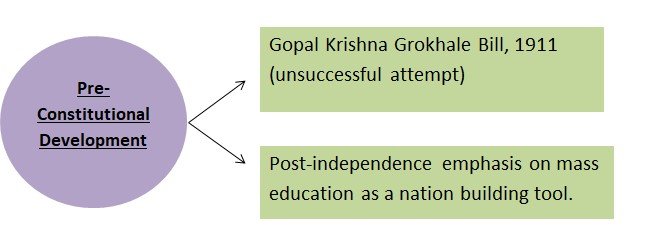
Pre-Constitutional Development –
Constitutional Scheme before the 86th Amendment-
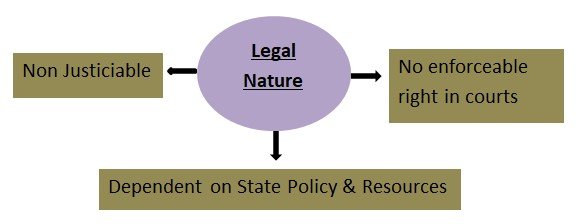
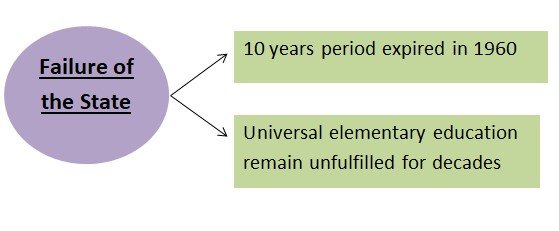
Directive Principle: - (Article 45)
"The state shall endeavor to provide, within a period of 10 years from the commencement of this constitution, for free & compulsory education for all children until they complete the age of 14 years" – [Original Text]
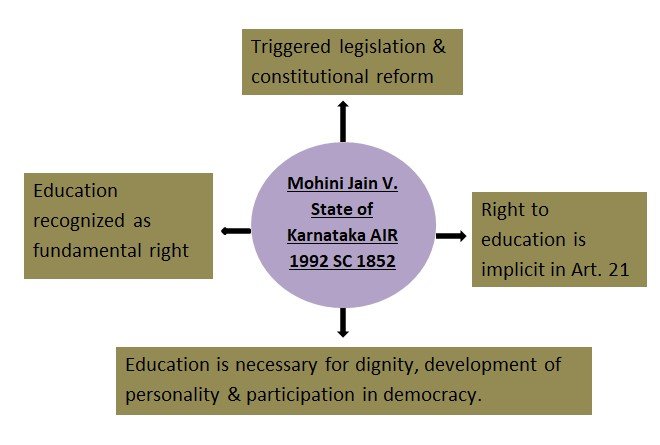
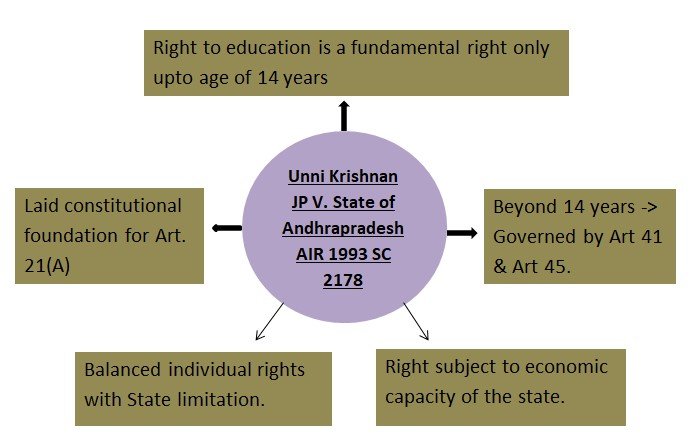
JUDICIAL EXPANSION OF RIGHT TO EDUCATION
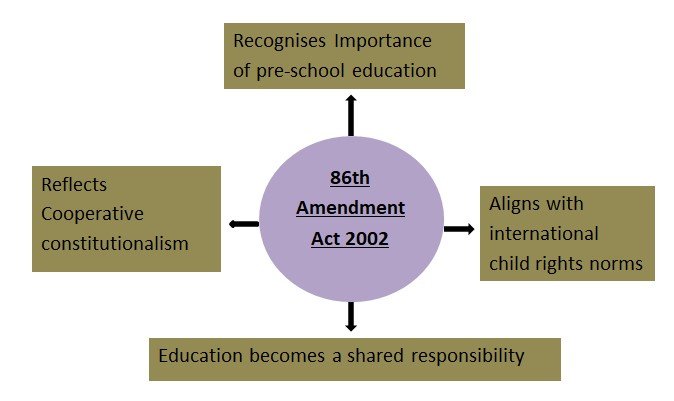
86th CONSTITUTIONAL AMENDMENT ACT 2002-
This amendment gave explicit constitutional recognition to elementary education.
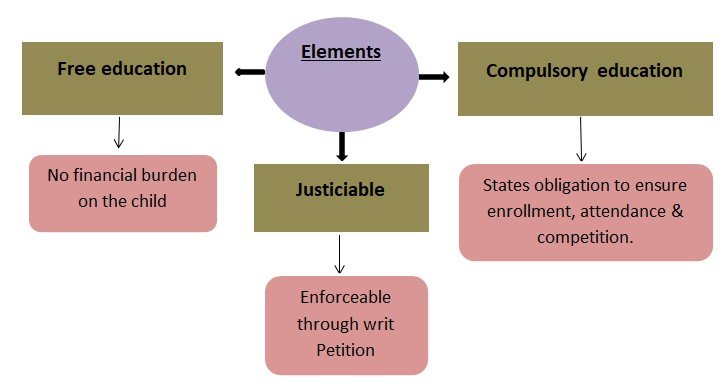
Art 21A:- Right to education as a fundamental right.
The state shall provide free & compulsory education to all children of the age of 6-14 years in such manner as the state may, by law determined.
Early Childhood Education - Art 45 [Revised]
The state shall endeavor to provide early childhood care & education for all children until they complete the age.
Fundamental Duty of Parents -Art. 51A (K) -
Duty to parents or guardians to provide education to children aged 6-14 years.
RIGHT OF CHILDREN TO FREE & COMPULSORY ACT 2009
Enacted under Art. 21A to give effect to the fundamental right.
Core provisions of RTE Act:-
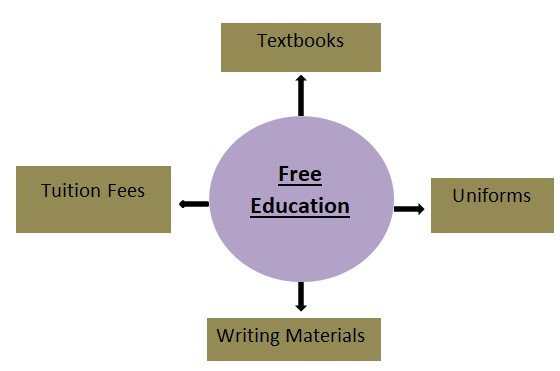
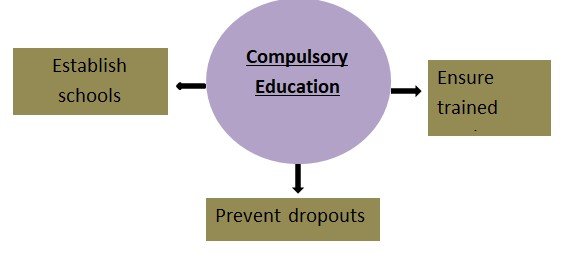
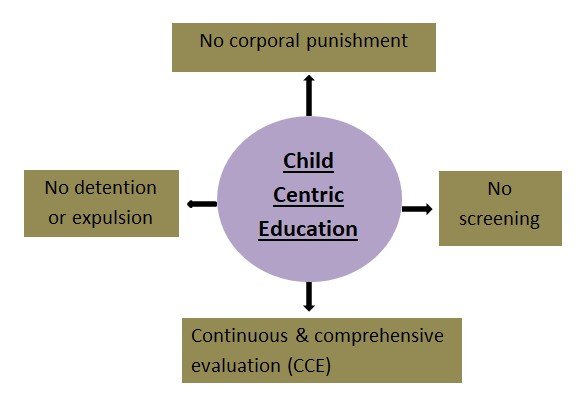
Child-Centric Provisions-
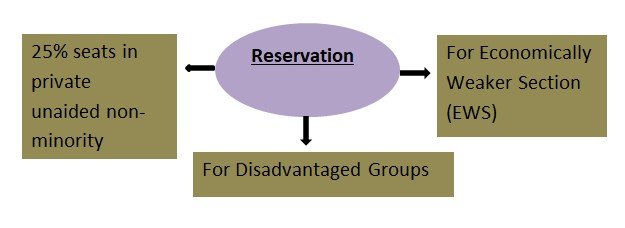
Reservations of weaker sections-
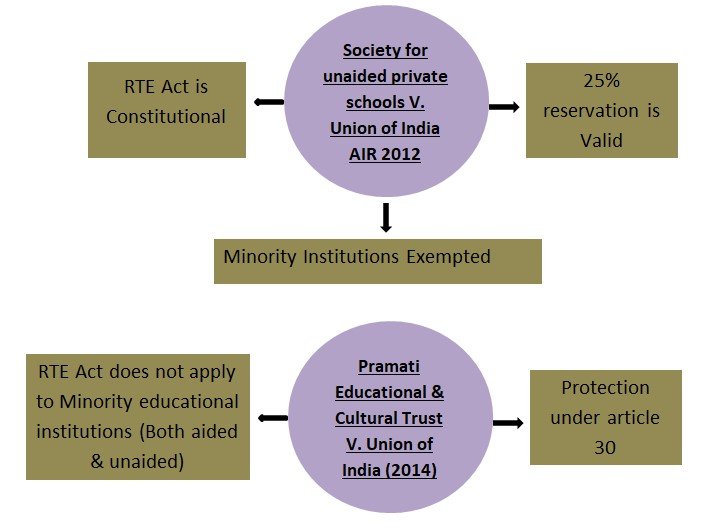
ROLE OF INDIAN JUDICIARY-
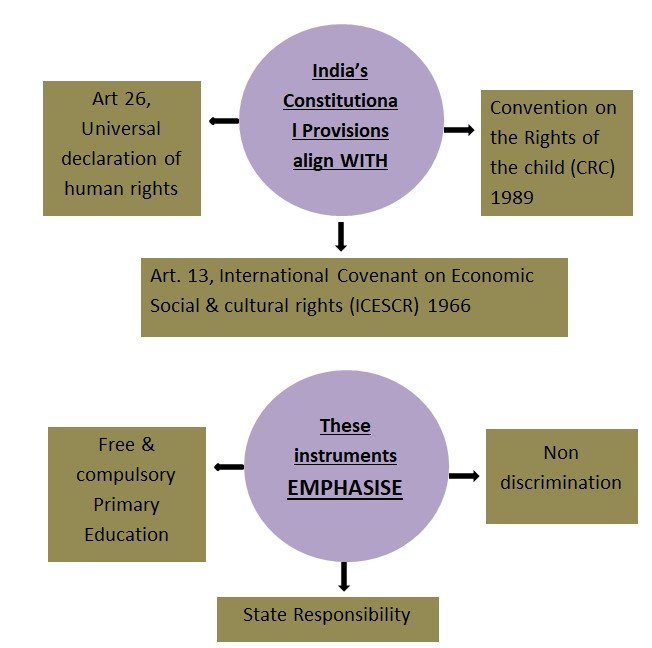
INTERNATIONAL HUMAN RIGHTS PERSPECTIVE-
-The right to Elementary Education in India reflects a dynamic constitutional evolution - from a non-enforceable directive to a justiciable fundamental right.
-By constitutional amendment, judicial activism & legislative support India has institutionalized education as the corner stone of Democracy, Social Justice & Human dignity. However effectual implementation remains the real constitutional challenge.

we believe in a holistic approach to legal education building not just lawyers, but socially conscious leaders of tomorrow.
