Rule of Harmonious Construction
Dr. Tanmoy Mukherji
Advocate
Rule of Harmonious Construction –
Tanmoy Mukherji
Advocate

The Rule of Harmonious Construction is applied when two provisions of the same statute or different statutes appear to be inconsistent. Courts interpret them in such a way that both provisions are given effect and none becomes redundant.
It is based on the maxim:
“Ut res magis valeat quam pereat” – It is better for a thing to have effect than to be void.
When is this Rule Applied?
→Conflict between two sections of the same Act.
→Conflict between two different Acts.
→Conflict between Fundamental Rights.
→Conflict between Fundamental Rights and Directive Principles.
→Conflict between General and Special provisions.
Principles Laid Down by Supreme Court-
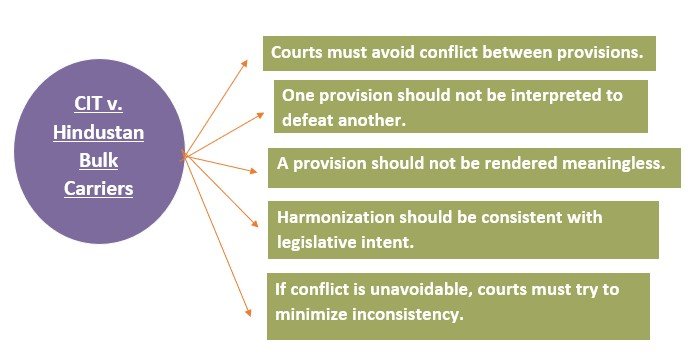
In CIT v. Hindustan Bulk Carriers, the Supreme Court laid down five important principles:
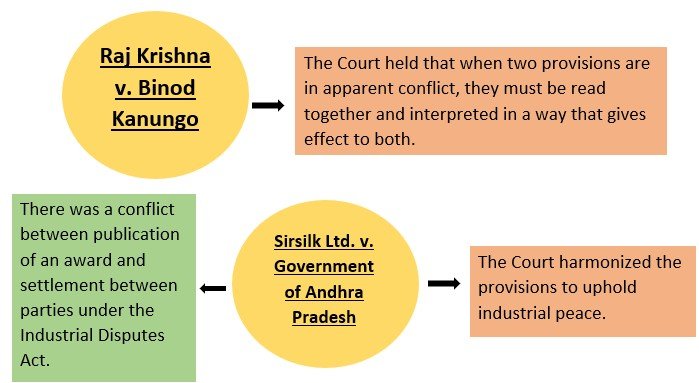
Important Case Laws-
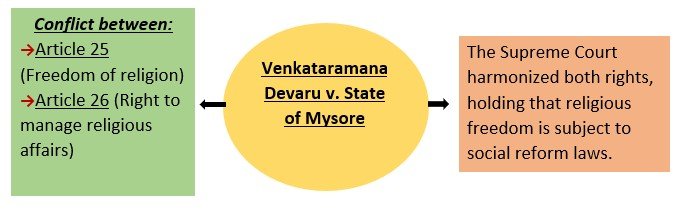
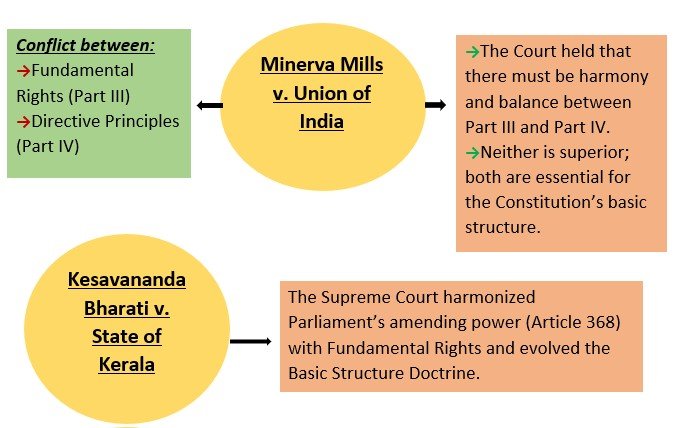
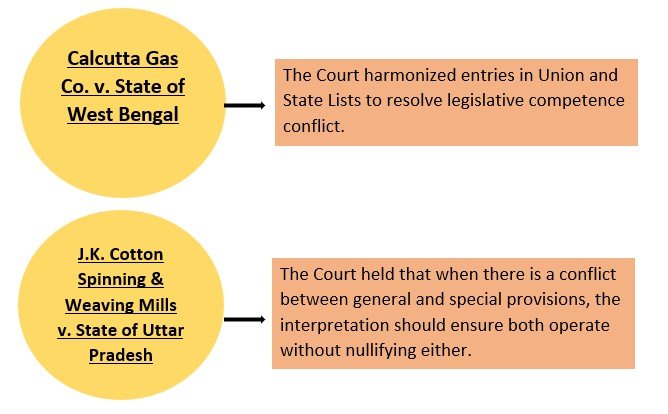
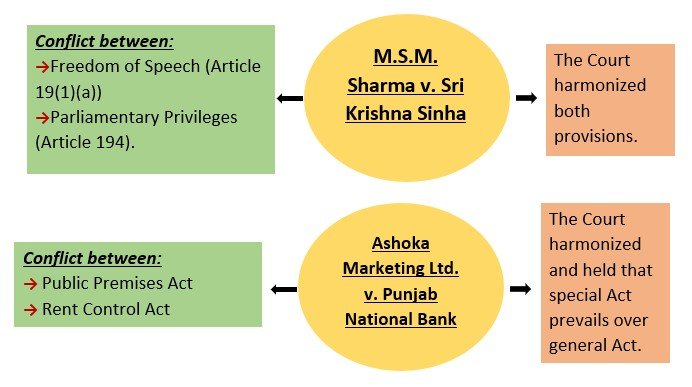
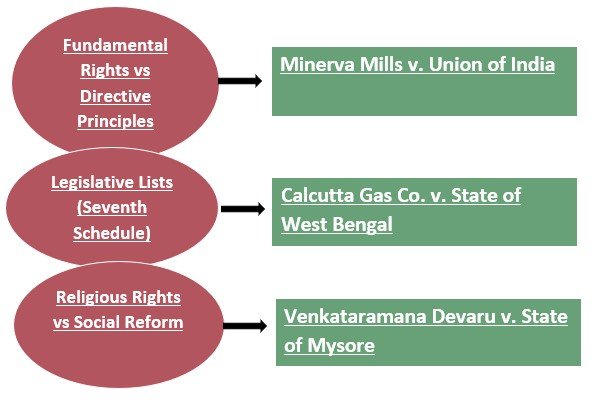
Harmonious Construction in Constitutional Law
This rule is heavily used in:
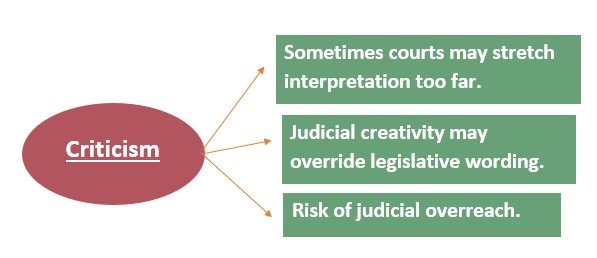
Criticism-
The Rule of Harmonious Construction ensures that the legislative intent is preserved and that no provision becomes redundant. The Supreme Court has repeatedly emphasized harmony in constitutional interpretation, especially between Fundamental Rights and Directive Principles.

we believe in a holistic approach to legal education building not just lawyers, but socially conscious leaders of tomorrow.
