WILD LIFE (PROTECTION) ACT, 1972 – DETAILED FEATURES
Dr. Tanmoy Mukherji
Advocate
WILD LIFE (PROTECTION) ACT, 1972 – DETAILED FEATURES-
Purpose and Philosophy of the Act
Tanmoy Mukherji
Advocate

The Wild Life (Protection) Act, 1972 was enacted to:
→Protect wild animals, birds, and plants
→Preserve biological diversity
→Prevent extinction of species
→Ensure ecological balance
→Fulfil India’s commitment to international conventions like CITES
The Act reflects the constitutional mandate under:
→Article 48A – Protection of environment
→Article 51A(g) – Fundamental duty of citizens
Extent and Application (Section 1)
Extends to the whole of India.
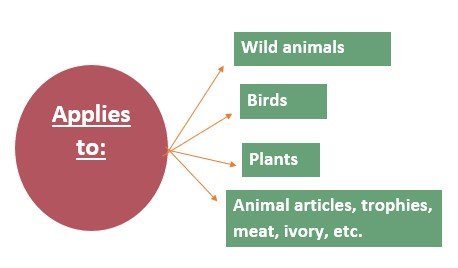
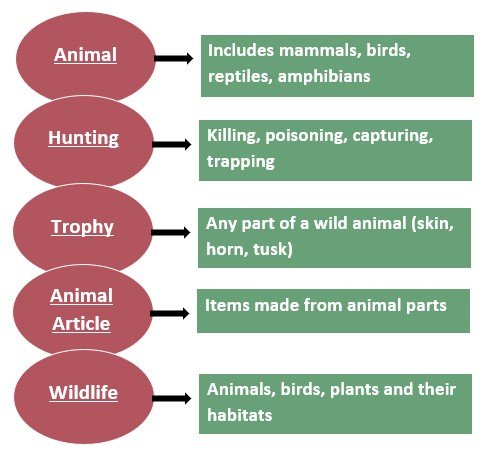
Definitions (Section 2)-
Important definitions include:
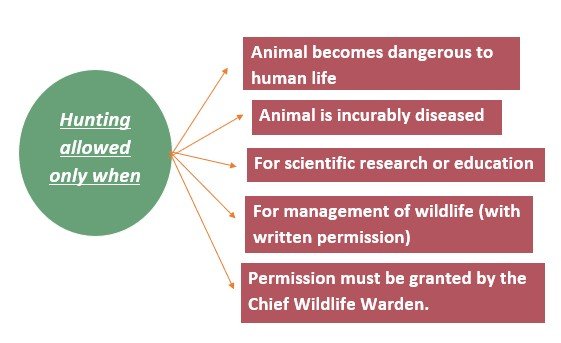
Prohibition of Hunting (Sections 9–12)-
General Rule- Complete ban on hunting of wild animals
Exceptions-
Classification of Animals and Plants (Schedules)-
Schedule I-
→Highest protection
→Severe punishment
Examples: Tiger, Lion, Elephant, Rhino
Schedule II-
→Part I – Same protection as Schedule I
→Part II – Lesser protection
Schedule III & IV-
→Protected species
→Lesser penalties
Schedule V-
→Vermin (can be hunted)
→Example: Rats, crows (as notified)
Schedule VI-
→Protected plant species
→Prohibits cultivation and trade
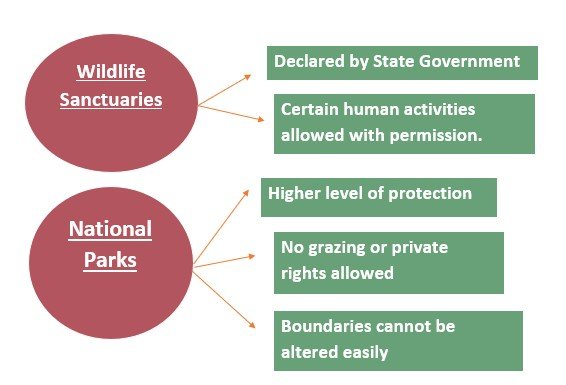
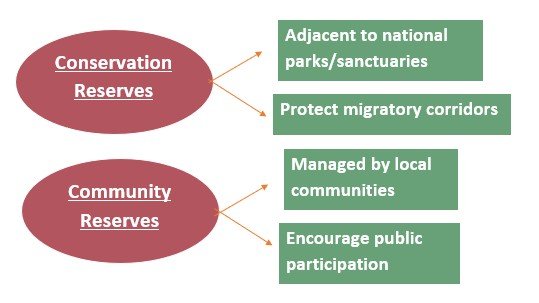
Protected Areas (Sections 18–38)-
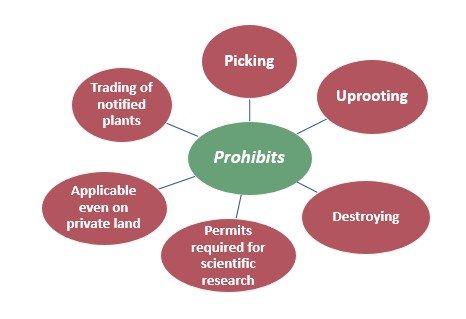
Protection of Specified Plants (Sections 17A–17H)-
Regulation of Trade and Commerce (Sections 39–49)-
Strict prohibition on trade of:
→Scheduled animals
→Trophies
→Animal articles
→Ivory trade completely banned
→Licenses required for dealers.
Authorities and Administration-
→Central Authorities
→National Board for Wildlife (NBWL)
→Director of Wildlife Preservation
→Central Zoo Authority
→Wildlife Crime Control Bureau (WCCB)
→State Authorities
→State Board for Wildlife
→Chief Wildlife Warden
→Honorary Wildlife Wardens
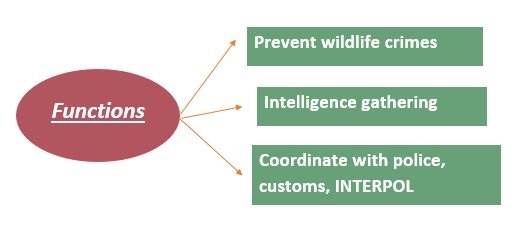
Wildlife Crime Control Bureau (WCCB)-
Established in 2006
Functions:
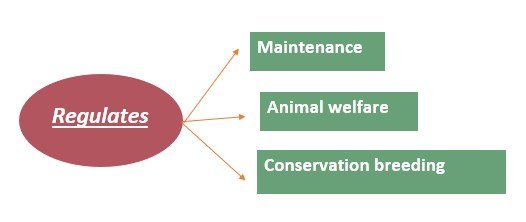
Zoos and Captive Animals (Chapter IVA)-
Mandatory registration of zoos
Central Zoo Authority regulates:
Powers of Officers (Sections 50–51)-
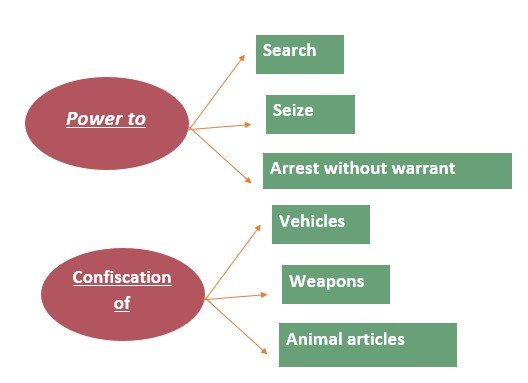
Offences and Penalties (Section 51)-
General Offences-
→Imprisonment up to 3 years
→Fine up to ?25,000
Schedule I & II Offences-
→Imprisonment: 3 to 7 years
→Fine: Minimum ?10,000
Repeat Offenders-
→Higher punishment
→Cancellation of licenses
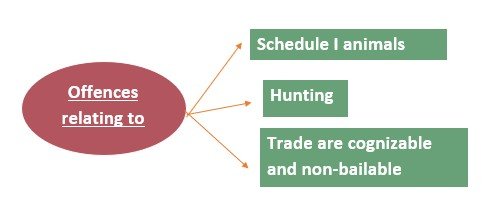
Cognizable and Non-Bailable Offences-
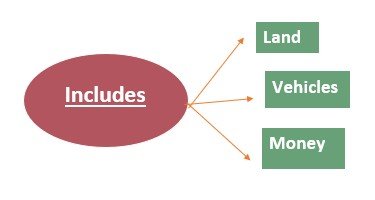
Forfeiture of Property (Chapter VI-A)-
Property acquired through illegal wildlife trade can be seized
Amendment Acts-
→1986 – Plant protection added
→1991 – Trade restrictions strengthened
→2002 – Increased penalties
→2006 – WCCB established
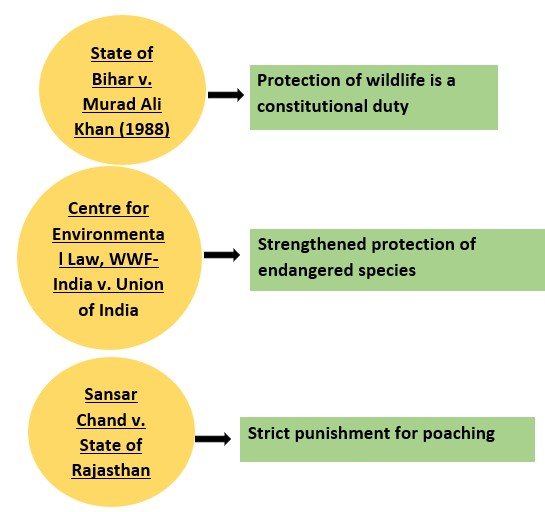
Reference Cases-
The Wild Life (Protection) Act, 1972 is a powerful environmental legislation aimed at conserving wildlife, preventing illegal trade, and safeguarding biodiversity for future generations.

we believe in a holistic approach to legal education building not just lawyers, but socially conscious leaders of tomorrow.
